Can You Sell Before Probate Closes in New Jersey?
If you are asking can you sell a house before probate is finished in nj, the short answer is yes in many cases, but you usually cannot close until the right probate authority is in place. That distinction matters. It is often the difference between getting organized early and losing weeks because nobody prepared the house, the paperwork, or the sale strategy.
If you just lost a parent or relative, this probably landed on your plate fast. One sibling wants the house sold, another wants to wait, the lawn needs cutting, and somebody is asking about keys. You need a straight answer and a clear next step.
In New Jersey, probate runs through the county Surrogate’s Court. Essex County, Bergen County, Hudson County, Morris County, Passaic County, Sussex County, and Union County each have their own Surrogate’s Office, and the timing can look a little different depending on the file and the documents the court needs.
[idx-listings linkid=”NJ Featured Listings” propertytypes=”” showlargerphotos=”true”]
Can You Sell A House Before Probate Is Finished In Nj
Yes, you can often market the property, prepare it for sale, and even accept an offer before probate is fully wrapped up. In most cases, though, title companies will require probate letters before the sale can close. If there is a will, the executor receives Letters Testamentary, which is the court document confirming authority to act. If there is no will, the court appoints an administrator and issues Letters of Administration, which serve the same purpose.
That means you do not always need to sit still and wait for every part of the estate to be finished. You can start the real estate work early. The closing itself usually waits for the legal authority, any required title clearances, and the usual New Jersey closing items.
What Probate Has To Do With The House
Probate is the court process that confirms who has authority to handle the estate. For a house sale, that authority matters because the buyer’s title company needs proof that the person signing the contract and deed has the right to do it.
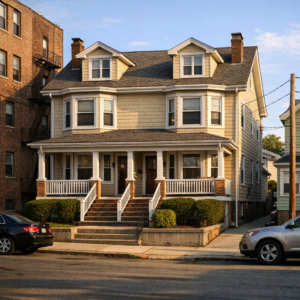
If your mother owned a colonial in Montclair, a Cape in Verona, or a two family in Jersey City Heights, the house does not transfer itself just because the family agrees. The estate needs the proper paperwork. Until that happens, you can plan the sale, but you need to understand what can happen now and what has to wait.
What You Can Usually Do Before Probate Closes
Most executors or administrators can move forward on the practical side of the sale while probate is underway. That helps because estate houses rarely sell well when everyone waits until the last minute.
- Secure the property and change exterior locks if needed
- Arrange a cleanout and separate documents, photos, jewelry, and personal items
- Get a value opinion from a local real estate professional
- Review repair issues, deferred maintenance, and safety concerns
- Decide whether to sell as is or do limited prep work
- Market the home and collect offers, if your attorney agrees
- Line up township inspections and municipal certificates that may be required before closing
If you need a deeper look at the process, Daniel covers it in Yes, You Can Sell a House During Probate in New Jersey. If the issue is simply understanding the court side, read The NJ Surrogate Court Process, Explained in Plain English.
What Usually Has To Wait Before Closing
The big item is authority. The title company almost always wants the probate letters before it will insure title and let the closing happen. Without title insurance, most buyers will not close, and most lenders will not fund.
You may also be waiting on other items that have nothing to do with buyer demand. New Jersey contracts have an attorney review period, which is the short window after contract signing when attorneys can approve, cancel, or change terms. Many towns also require local certificates before closing, and the requirements vary from one municipality to the next.
In Essex County, a property in Montclair may have different municipal steps than a property in Newark or Bloomfield. In Hudson County, a Bayonne one family and a Union City multi family may face different local inspections. That is why a local probate sale plan matters.
What If There Is A Will
If there is a will, the named executor generally applies through the county Surrogate’s Office for Letters Testamentary. Once issued, that document tells the outside world who can sign for the estate.
At that point, the sale can move in a normal direction, subject to title work and any estate issues that still need attention. If you are waiting on those letters, this article may help: Letters Testamentary In NJ And Why Your Sale Waits On It.
What If There Is No Will
If there is no will, the process is different. The court appoints an administrator and issues Letters of Administration, which give that person authority to act for the estate.
That often adds confusion because several family members may assume they all have equal control. In practice, the court appoints the person with authority to handle the property. Daniel breaks that out here: Letters of Administration NJ When There Is No Will and No Will? How NJ Decides Who Inherits the House.
Common Delays That Catch Families Off Guard
The probate letters are only one piece. Estate house sales in New Jersey get delayed by title problems, missing heirs, old mortgages that were paid but never discharged, open permits, and disagreement between relatives.
Taxes can slow things down too. New Jersey repealed its estate tax, but it still has an inheritance tax in some cases, depending on the heir’s relationship to the deceased. Close family is generally exempt, but you should confirm your situation with the estate attorney or tax professional, and current requirements with the New Jersey Division of Taxation.
Another issue is the stepped up basis, which means the property’s tax basis usually adjusts to its value at the date of death. That can affect future tax reporting if the property sells later or after improvements. For a plain English explanation, see Stepped Up Basis Explained Before You Sell That NJ Home.
Should You List The House Before The Letters Arrive
Sometimes yes. Sometimes no. The answer depends on how close the letters are, whether the family agrees on the plan, and whether the house is ready enough to show without creating more stress than value.
If the property is in West Orange, Clifton, Teaneck, Morristown, or Jersey City and needs a full cleanout, you may be better off using the waiting period to sort contents, remove trash, and document condition. If the house is empty, clean, and easy to show, starting early can save time.
The key is making sure everyone understands that marketing a probate property is not the same as being ready to close next week. Buyers need the truth about timing. Good communication avoids the deal falling apart over avoidable confusion.
How Daniel Mesrobian Helps Before Probate Is Finished
Daniel Mesrobian is not a typical listing agent. He works with executors, administrators, heirs, and families dealing with inherited houses across North Jersey, including Montclair, Glen Ridge, Livingston, Nutley, Hoboken, Jersey City, Wayne, Ridgewood, Morristown, Sparta, and towns throughout Essex, Bergen, Hudson, Morris, Passaic, Sussex, and Union counties.
Before probate is complete, he can help you build the sale plan. That means a real value opinion based on the house’s condition, a strategy for selling as is or after limited prep, coordination with cleanout vendors if needed, and a timeline that fits the estate instead of forcing the estate to fit a random listing calendar.
If you are dealing with the larger probate picture, start with Probate Specialist Services. If you want to avoid common mistakes before signing anything, read 9 Costly Mistakes When Selling an Inherited House in NJ.
What To Do Next If You Just Inherited A House
- Find out whether there is a will.
- Confirm which county Surrogate’s Office handles the estate.
- Ask the estate attorney what authority exists now and what is still pending.
- Secure the house, utilities, and insurance.
- Get a valuation and sale strategy before making repair decisions.
- Keep family communication in writing if more than one heir is involved.
If the property is local to Daniel’s service area, he can usually tell you where the sale tends to stall and what to get in motion first. That matters whether the house is a Montclair side hall colonial, a Bergen County split level, a Passaic County ranch, or a Sussex County property with septic and well issues that need early attention.
This article is general information about New Jersey real estate practice, not legal or tax advice. Probate, inheritance, title, and tax issues depend on the facts of your estate. Please consult a licensed New Jersey attorney or tax professional about your specific circumstances.
[idx-listings linkid=”NJ New Listings” propertytypes=”” showlargerphotos=”true”]
Talk To Daniel Before You Make The Next Move
If you are handling an estate and need a calm, practical conversation about the property and the estate’s timeline, call Daniel Mesrobian at 201.317.8670 or visit soldinnewjersey.com. There is no obligation, and no pressure to list before you are ready.
He can start preparing valuation, condition review, and sale strategy before the letters are even issued, so when the estate is ready, you are not starting from zero. If you want straight answers from someone who works in probate sales across North Jersey, Daniel is the person to call.