
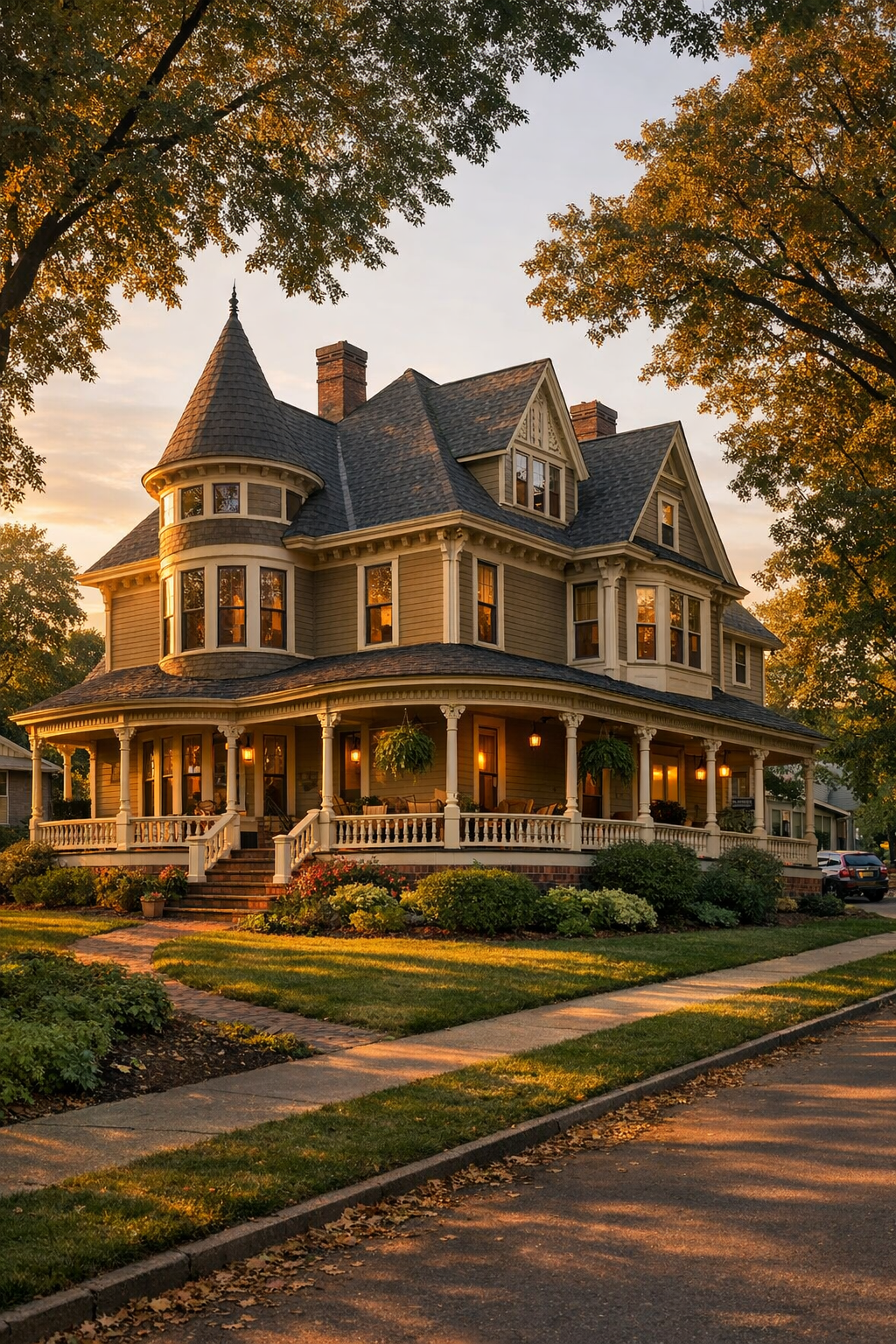
Essex County Probate Homes and What They Really Sell For
If you are searching for essex county probate real estate, you are probably trying to answer one question fast: what is the house actually worth if it needs to be sold through an estate. That question gets harder in Essex County because the spread between towns, blocks, condition, and buyer demand is wide. A probate house in Montclair, Newark, West Orange, Bloomfield, Verona, Livingston, Cedar Grove, or East Orange will not attract the same buyer or command the same price, even when the square footage looks similar on paper.
Most estate properties do not sell for some neat online estimate. They sell for a number shaped by title status, court documents, condition, cleanout, municipal requirements, and the kind of buyer the property attracts. If you are the executor, administrator, or adult child handling the sale, you need a plain answer and a practical next step.
Daniel Mesrobian is based in Montclair, licensed with eXp Realty, and has spent more than 18 years working in New Jersey real estate and investment. He is not a typical listing agent. His work often starts before the property is market ready, and in probate cases that matters.
[idx-listings linkid=”NJ Featured Listings” propertytypes=”” showlargerphotos=”true”]
Essex County Probate Real Estate Values Start With The Exact Situation
A probate sale is a home sale tied to an estate. The estate is the legal entity that holds a person’s assets after death. Before anyone can sign a contract and close, the title company usually needs proof of authority from the county Surrogate’s Court.
If there is a will, the named executor receives Letters Testamentary. Those are the court papers confirming the executor’s authority. If there is no will, the court appoints an administrator and issues Letters of Administration.
That paperwork does not set the price, but it affects timing, buyer confidence, and how you prepare the sale. If you have not gotten that far yet, read Letters Testamentary in NJ and Why Your Sale Waits on It and Letters of Administration NJ When There Is No Will.
What Probate Homes In Essex County Really Sell For
They sell for market value adjusted for friction. Friction means everything that makes a buyer hesitate or lowers what they are willing to pay. In Essex County probate homes, that usually includes deferred maintenance, old oil tanks, knob and tube wiring, wet basements, outdated kitchens, crowded contents, missing permits, estate paperwork, and unclear decision making among heirs.
A clean, updated colonial near Walnut Street in Montclair with easy NJ Transit access will be judged one way. A tired two family in Newark with vacancy issues, old violations, and a hard to finance condition will be judged another way. Buyers price risk fast.
That is why two inherited homes on similar lots can land far apart. The house that is empty, broom clean, legally clear, and easy to show usually gets stronger offers than the house with personal property everywhere, no utility service, and unanswered title questions.
The Four Value Buckets That Matter Most
1. Retail Ready
This is the small group of probate homes that can compete with normal resale inventory. Think updated systems, presentable condition, clean rooms, no major leaks, and no obvious legal or title issues. In towns like Verona, Livingston, South Orange, and parts of Montclair, retail ready homes can draw owner occupant buyers who care about layout, light, parking, and commute options.
2. Livable But Dated
This is common in estate sales. The roof may be older, the kitchen may be from another decade, and the baths may need work, but the house functions. These homes often sell well if they are priced with discipline and marketed honestly.
3. Heavy Renovation
This is where investor math takes over. A house with water damage, failed inspections, old electrical service, or a long deferred exterior will not be priced like a polished listing nearby. The buyer is calculating repair cost, permit risk, holding cost, and resale spread.
4. Complex Or Constrained
Some estate homes have extra issues that cut the buyer pool hard. That can mean tenant problems, access disputes, title defects, packed contents, open permits, illegal additions, or municipal compliance issues. In Essex County, town by town closing requirements can slow everything down if no one starts early.
Essex County Is Not One Market
If an online tool gives you one value for all of Essex County, ignore it. Montclair, Glen Ridge, Verona, Maplewood, South Orange, West Orange, Livingston, Bloomfield, Nutley, Belleville, Newark, East Orange, Orange, and Irvington all behave differently. The housing stock is different, the taxes are different, the buyer pool is different, and the gap between retail condition and renovation condition is different.
Montclair buyers may pay for architecture, walkability, train access, and a finished product. In Livingston, larger lots, split levels, colonials, and renovation quality often drive pricing. In Newark and East Orange, two family and three family value can hinge on rent status, layout, and financing fit as much as cosmetics.
If you need a broader county view while you sort out the estate, Daniel’s local pages can help: Essex County, NJ Homes For Sale, Morris County, NJ Homes For Sale, and Bergen County, NJ Homes For Sale.
Why Online Estimates Miss Probate Pricing
Automated estimates do not walk the basement. They do not smell the moisture, see the foundation cracks, notice the buried oil tank vent, or ask whether the estate has authority to sell yet. They also do not account for a house packed with decades of personal property, which changes photos, access, and buyer reaction.
They also miss local texture. A similar house in Upper Montclair and one near a busier corridor can price differently. A tidy Cape in Bloomfield near the train can draw a different buyer set than a larger but rougher property farther from transit.
In probate work, pricing is part valuation and part strategy. If you are curious how Daniel approaches these cases, start with Why a Probate Real Estate Agent in NJ Changes Everything and Probate Specialist Services.
What Buyers Discount In A Probate Sale
Buyers do not discount because the seller died. They discount for uncertainty and repair cost. That sounds blunt, but it helps you focus on what matters.
- Condition risk: old roofs, old boilers, unsafe wiring, foundation movement, water entry, and outdated kitchens or baths
- Cleanout burden: furniture, papers, clothing, garage contents, and basement storage left behind
- Title and estate delay risk: missing letters, unresolved heir questions, or tax waiver issues
- Municipal compliance: certificates, smoke and carbon paperwork, inspections, and open permits that vary by town
- Access problems: no lockbox, no power, no heat, tenant conflict, or family disagreement about showings
If one or two of those problems are fixed before listing, the price can improve. If all of them remain, your best buyer may be a cash investor or a renovation buyer.
How To Get A More Accurate Number Before You List
Start with three values, not one. Ask what the house could sell for as is, what it could sell for after light prep, and what it might bring after a full renovation if someone else takes on that project. That range is more useful than a single figure pulled from a website.
Then get clear on the documents. Confirm who has legal authority, whether the Essex County Surrogate’s Office has issued the letters, whether there are other heirs who need to sign, and whether the property has liens or permit issues. A lien is a legal claim against the property for money owed.
Daniel often helps families line up the real estate side before the letters are issued, so there is less dead time later. If probate timing is still fuzzy, these guides will help: How Long Probate Really Takes in New Jersey and The NJ Surrogate Court Process, Explained in Plain English.
Common Essex County Probate Sale Mistakes
- Pricing from emotion. You remember holidays in the house. Buyers see repairs, location, and payment.
- Waiting too long to check title and court papers. A good offer means nothing if the estate cannot close cleanly.
- Clearing out the house without a plan. Some items should be removed first, some can stay for an estate sale, and some should be documented before disposal.
- Doing repairs with no return. Fresh paint might help. A rushed kitchen remodel often does not.
- Taking the highest offer without reading the terms. Financing, inspection scope, attorney review, and closing conditions matter.
You can avoid many of these with a good roadmap. Daniel covers the big traps in 9 Costly Mistakes When Selling an Inherited House in NJ.
What About Taxes And The Net Proceeds
This is where people get nervous, and for good reason. New Jersey kept an inheritance tax that depends on the heir’s relationship to the deceased, while close family members are generally exempt. Inherited property also gets a stepped up basis, which means the tax starting point for gain is generally reset to the date of death value.
Those rules matter, but the exact impact depends on your facts. Your attorney or tax professional should advise you on inheritance tax, capital gain, estate accounting, and filing requirements. If you want a plain English overview before that conversation, read Stepped Up Basis Explained Before You Sell That NJ Home.
Should You List It Or Take A Cash Offer
That depends on the condition, the estate timeline, and your tolerance for work. A listed sale often produces the best result when the house is empty, accessible, and presentable enough to attract financed buyers. A cash offer can make sense when the house needs major work, the estate wants privacy, or you need to avoid weeks of cleanout and showings.
Daniel handles both paths. Because he works with probate sales, investors, and renovation projects, he can compare the options in the same conversation instead of forcing every estate into one model.
What To Do In The First Week
- Secure the property and confirm insurance coverage with the carrier
- Locate the will, deed, tax records, and any mortgage or utility information
- Speak with the estate attorney about probate through the Essex County Surrogate’s Office
- Do not empty the house blindly until valuables, papers, and personal records are reviewed
- Get a probate focused valuation based on condition and sale strategy, not just online estimates
[idx-listings linkid=”NJ New Listings” propertytypes=”” showlargerphotos=”true”]
This article is general information about New Jersey real estate practice, not legal or tax advice. Probate, inheritance tax, title, and estate issues depend on your specific facts. Please consult a licensed New Jersey attorney or tax professional, and confirm current procedures with the Essex County Surrogate’s Office or the New Jersey Division of Taxation.
Talk To Daniel Before You Make The Next Move
If you are handling an inherited house in Essex County and need a calm, honest read on value, call Daniel Mesrobian at 201.317.8670 or visit soldinnewjersey.com. You can have a confidential, no obligation conversation about the property, the estate’s timeline, and the best path to sale.
He can begin preparing valuation, sale strategy, cleanout planning, and buyer positioning before the letters are even issued. That gives you a clearer plan and fewer surprises once the estate is ready to move.