How Probate Homes Get Valued in New Jersey
If you are trying to understand probate property valuation in new jersey, you are probably dealing with a house and a stack of questions at the same time. You may be the executor named in a will, which means the person chosen to handle the estate, or the administrator appointed by the court when there is no will. Either way, the value of the house affects pricing, taxes, disclosures, timing, and sometimes tension inside the family.
Most people assume probate value is one number. It is not. In New Jersey, the value that matters depends on what you need that number for, who is asking for it, and where the property sits, from a Montclair colonial to a Clifton cape to a two family in Jersey City Heights.
That is why a probate sale needs more than a quick online estimate. You need a local value opinion tied to condition, title status, municipal requirements, and the actual buyer pool in that town.
[idx-listings linkid=”NJ Featured Listings” propertytypes=”” showlargerphotos=”true”]
Probate Property Valuation In New Jersey Starts With The Purpose Of The Number
The first question is simple: what is the valuation for? A date of death valuation is the value of the property as of the owner’s date of death. A listing valuation is the price range the house is likely to attract on the open market when you are ready to sell. An investor valuation is the number a cash buyer or renovation buyer would pay based on repairs, risk, and holding costs.
Those numbers can be close. They can also be far apart. A well kept ranch in Verona with an updated roof and clean certificate requirements may trade near its date of death value, while a vacant house in Newark with deferred maintenance, old plumbing, and years of contents inside may not.
If you need the court process explained first, start with The NJ Surrogate Court Process, Explained in Plain English. Probate in New Jersey runs through the county Surrogate’s Court, and each county has its own office.
What Daniel Looks At When Valuing A Probate Home
A probate home gets valued the same way any serious property gets valued: by evidence. The difference is that probate homes often carry issues that standard listings do not, and those issues change value fast.
Comparable Sales
Comparable sales are recent closed sales of similar homes in the same area. A split level in Paramus should not be measured against a brick row house in Bayonne, and a legal two family in Union City should not be compared to a single family in West Orange.
Good probate valuation means filtering hard for style, lot size, bed and bath count, parking, finished space, and buyer demand. In towns with mixed housing stock like Montclair, Bloomfield, Paterson, or Hackensack, this matters a lot.
Current Condition
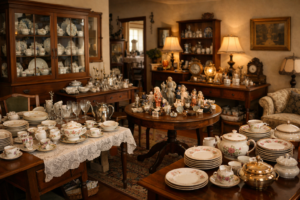
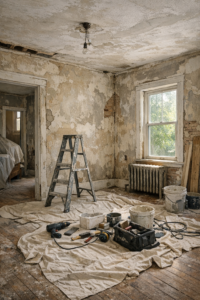
Condition is where online estimates fall apart. Old kitchens, knob and tube wiring, foundation movement, basement moisture, oil tank questions, or a roof near the end of its life will affect value. So will a house packed with decades of belongings.
A clean house and a repaired house are not the same thing. Buyers in Maplewood, Morristown, and Ridgewood pay attention to both, but renovation buyers and cash buyers price repairs with less emotion and more math.
Location Inside The Town
Value shifts street by street. In Jersey City, Downtown pricing has little to do with the Heights or Greenville. In Montclair, distance to the train, parking, lot shape, and commercial adjacency can all move value.
The same is true in Bergen, Morris, Essex, Passaic, Sussex, Union, and Hudson counties. A probate house near an NJ Transit station may draw one buyer pool. A rural Sussex County property with septic and well may draw another.
Title And Sale Readiness
Title is the legal ownership record. Title companies will require Letters Testamentary if there is a will, or Letters of Administration if there is not, before a probate sale can close.
If you are still waiting on that step, read Letters Testamentary In NJ And Why Your Sale Waits On It and Letters Of Administration NJ When There Is No Will. The paperwork itself does not change value, but it affects strategy and timing, which can affect the price you can reasonably target.
Date Of Death Value Versus Sale Price
Families often ask why the eventual sale price does not match the date of death value. The answer is simple. Markets move, conditions change, and houses reveal things after the owner passes.
A date of death valuation may rely on sales around that point in time and the property condition as it existed then. The sale price depends on the condition when the home actually hits the market, the season, current inventory, mortgage rates, and whether the property is exposed to the full market or sold directly.
This is also where stepped up basis comes up. Stepped up basis means the property’s tax basis is generally adjusted to its value at the date of death. That is a tax concept, so for your own situation, speak with a tax professional and see Stepped Up Basis Explained Before You Sell That NJ Home.
Do You Need An Appraisal Or A Broker Price Opinion?
An appraisal is a formal value report prepared by a licensed appraiser. A broker price opinion or market analysis is a value opinion prepared by a real estate professional based on comparable sales, condition, and buyer demand.
You may need one, the other, or both. Attorneys, accountants, heirs, and title professionals may each ask for different documentation depending on the estate. Daniel helps families understand what the house is likely worth in the real market, what repairs would change that number, and when it makes sense to bring in an appraiser.
If the property is headed toward sale, a local market analysis often gives you the most practical next step. If the estate needs a formal date of death number for reporting or planning, your attorney or tax professional may suggest an appraiser.
What Pulls Probate Value Down Fast
Some issues shave value slowly. Others hit hard. In probate properties, the biggest discounts usually come from uncertainty and work.
- Deferred repairs such as roof, windows, heating system, or structural concerns
- Unknown municipal issues such as open permits or certificates needed before closing
- Heavy contents that make access, inspection, and showings harder
- Title questions involving heirs, old liens, or missing estate documents
- Location challenges like a busy road, awkward layout, no parking, or poor lot usability
- Tenant problems if the house is occupied and access is limited
Municipal requirements vary a lot in New Jersey. Some towns require smoke and carbon certifications, some require resale inspections, and some add local transfer steps. In older towns with tight housing stock like East Orange, Irvington, or Paterson, permit history and inspection issues can become part of the valuation conversation fast.
What Can Increase Value Before You Sell
You do not need to renovate every probate house. In many cases, you should not. But a few targeted moves can protect value.
- Empty the house enough to show the rooms. Buyers price clutter as work and risk.
- Handle obvious safety issues. Active leaks, broken railings, and exposed hazards create fear.
- Gather documents early. Survey, tax records, permits, utility information, and estate papers save time.
- Get a strategy before you spend money. A full renovation in Cedar Grove may make sense on one house and lose money on the next.
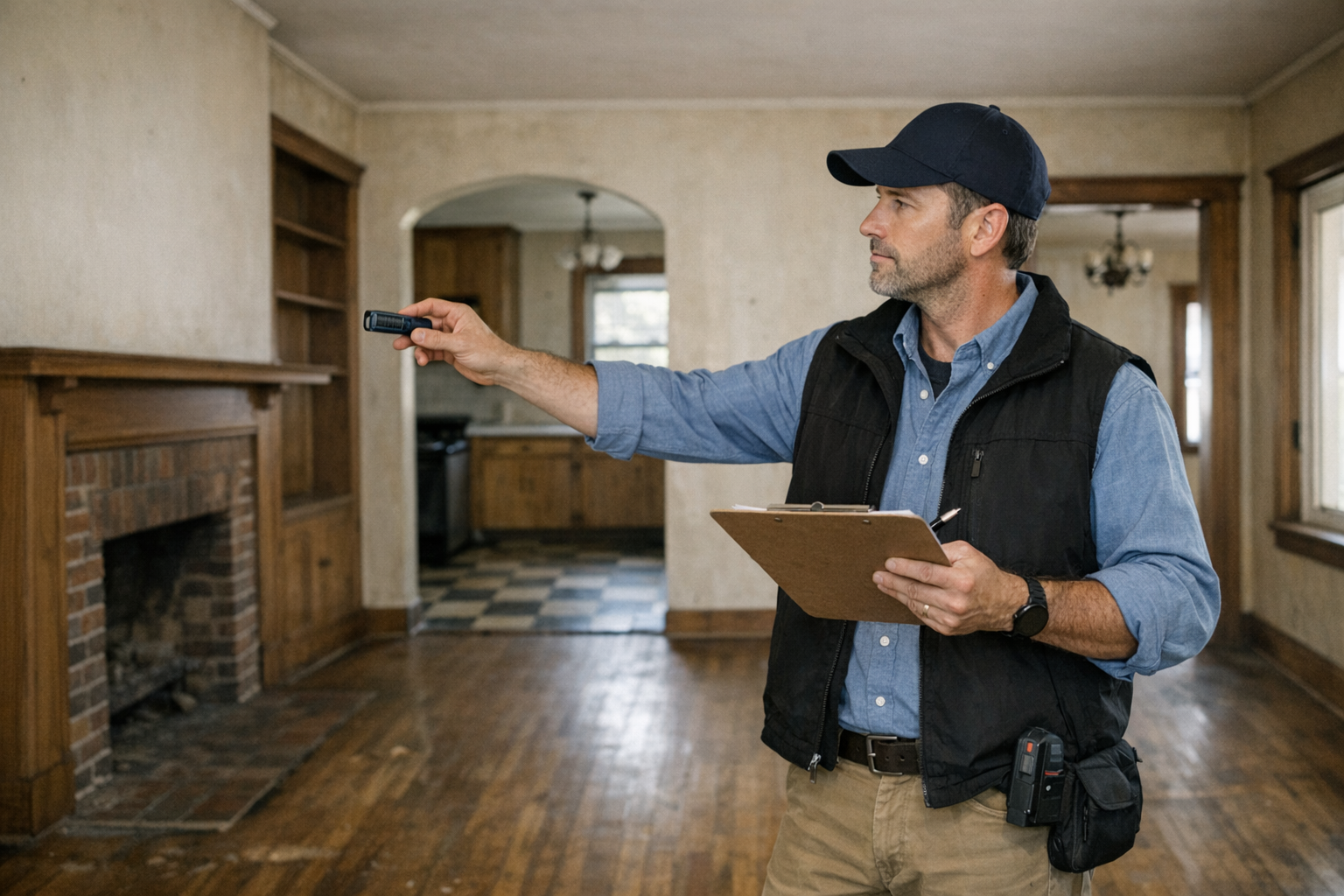
If you are not sure where to start, Daniel can walk through the property and tell you what matters to buyers and what does not. That saves families from spending money in the wrong places.
For the cleanout side of the process, see Probate House Cleanout In NJ Without Throwing Away Value. For a broader list of common errors, read 9 Costly Mistakes When Selling An Inherited House In NJ.
County And Town Differences Matter More Than People Expect
Probate homes do not sell into one New Jersey market. They sell into local markets. A dated colonial in Glen Ridge, a lake area house in Sussex County, and a two family in North Bergen will each attract different buyers, financing options, and repair expectations.
Hudson County buyers often focus on transit access, parking, unit layout, and rental potential. Morris County buyers may focus more on lot size, septic or well issues in some areas, and school district information from the district itself. Bergen County buyers often react hard to layout, taxes, and whether updates feel current for the town. Essex County varies block by block and town by town, especially where architecture and walkability carry a premium.
If your property is county specific, these local guides may help: Essex County Probate Homes And What They Really Sell For, Morris County Probate Property Sales, Start To Finish, and Hudson County Probate Sales Done Right.
How Daniel Approaches A Probate Valuation
Daniel Mesrobian is not a typical listing agent. He has spent more than 18 years in New Jersey real estate as an agent, investor, consultant, and renovation project manager, and his probate work reflects that.
He looks at the house from three angles at once. First, what would it likely sell for on the open market if listed correctly. Second, what repairs or prep would change that outcome. Third, what a direct sale or investor sale would look like if the estate wants speed, privacy, or less work.
That matters because many executors are deciding between options, not just asking for a price. You may need to sell as is, which means in current condition. You may need a short prep plan to improve the outcome. You may simply need a sober value range before the Surrogate’s Office issues letters.
If you are still sorting out timing, read How Long Probate Really Takes In New Jersey. If you want a service overview, visit Probate Specialist Services.
What To Have Ready Before You Ask For A Value Opinion
You do not need everything. But a few items make the valuation more useful.
- The property address and basic facts
- Whether there is a will
- Whether Letters Testamentary or Letters of Administration have been issued
- Any known mortgage, lien, or tax issue
- Photos or a simple description of condition
- Whether the house is vacant, occupied, or full of contents
- Your rough timeline, even if it may change
If you do not know some of those answers yet, that is normal. A probate valuation can still begin. The point is to create a plan that fits the estate, the property, and the actual market in that part of New Jersey.
[idx-listings linkid=”NJ New Listings” propertytypes=”” showlargerphotos=”true”]
This article is general information about New Jersey real estate practice, not legal or tax advice. Probate, inheritance tax, title, and estate issues can vary by situation, so please consult a licensed New Jersey attorney or tax professional about your specific circumstances and confirm current requirements with the appropriate county Surrogate’s Office or the New Jersey Division of Taxation.
Talk To Daniel About The Property Before You Make The Next Move
If you are handling an estate and need a clear value opinion on the house, call Daniel Mesrobian at 201.317.8670 or visit soldinnewjersey.com. He can have a confidential, no obligation conversation with you about the property, the estate’s timeline, and the best path to value, and he can begin preparing valuation and strategy before the letters are even issued.