
Probate Attorney or Probate Realtor? You Need Both
If you searched probate attorney vs probate realtor in nj, you are probably dealing with a house, a death in the family, and a stack of questions that no one explains clearly. The short answer is simple. Your probate attorney handles the legal authority to act for the estate, and your probate realtor handles the house, the market, the condition, the buyers, and the closing details that can stall a sale if nobody is watching them.
In New Jersey, those two roles overlap at the edges, but they are not interchangeable. If you rely on only one, you usually end up with delays, missing documents, pricing mistakes, or a property that sits while carrying costs keep running.
Daniel Mesrobian works on probate and estate property sales across Essex, Bergen, Hudson, Morris, Passaic, Sussex, and Union counties. He is based in Montclair, licensed with eXp Realty, and he works with executors, administrators, heirs, and estate attorneys who need a real plan for the house.
[idx-listings linkid=”NJ Featured Listings” propertytypes=”” showlargerphotos=”true”]
Probate Attorney Vs Probate Realtor In NJ
A probate attorney is the lawyer who helps the estate move through the county Surrogate’s Court and related legal steps. A probate realtor is the real estate professional who helps you evaluate, prepare, market, negotiate, and close the sale of the property owned by the estate.
Every New Jersey county has its own Surrogate’s Office. Essex County, Bergen County, Morris County, Hudson County, Passaic County, Sussex County, and Union County each have their own procedures, staff, and document flow, even though the core probate rules are statewide.
If there is a will, the executor usually receives Letters Testamentary, which are the court documents confirming authority to act for the estate. If there is no will, the court appoints an administrator who receives Letters of Administration, which serve the same basic purpose for title and closing.
Title companies want to see those letters before a sale closes. If you want a fuller explanation of the court side, read The NJ Surrogate Court Process, Explained In Plain English.
What The Probate Attorney Does
Your attorney deals with legal authority, court filings, estate notices, and legal questions tied to the will, heirs, debts, and distribution. If there is a dispute between siblings, unclear title, an old deed issue, or a question about who has power to sign, that is attorney territory.
The attorney also helps you understand what the estate can do now and what must wait. In some cases, you can market the property before every estate issue is wrapped up. In other cases, a legal problem has to be resolved first.
For many executors, the first legal bottleneck is simply getting authority in hand. These two guides are useful if you are sorting that out: Letters Testamentary In NJ And Why Your Sale Waits On It and Letters Of Administration NJ When There Is No Will.
What The Probate Realtor Does
Your probate realtor handles the property as a real asset that needs decisions right away. That means pricing, access, cleanout planning, repair decisions, utility coordination, buyer screening, offer analysis, municipal requirements, and communication with the title company, attorney, and heirs.
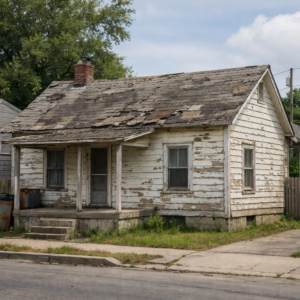
This is where many estates lose time and money. A general agent may know how to list a clean owner occupied home in Verona or Glen Ridge. A probate realtor knows how to deal with a vacant colonial in Montclair with knob and tube wiring, a two family in Jersey City Heights with tenant issues, or a split level in Bergen County full of deferred maintenance and personal property.
That work starts before the sign goes up. Daniel often helps families decide whether to sell as is, clear the house out first, make selective repairs, or consider a direct sale if the estate needs speed and certainty.
If the house needs work, start with Your Inherited NJ House Needs Work. Now What?. If you want the broader picture, see Why A Probate Real Estate Agent In NJ Changes Everything.
Why You Need Both At The Same Time
The attorney and the realtor solve different problems on the same timeline. One confirms authority. The other protects value and keeps the property from becoming a bigger burden every month.
Houses do not pause because an estate is open. Pipes leak, vacant home insurance gets stricter, lawns grow, smoke certificates expire, township inspections get scheduled, and buyers move on when nobody can answer basic questions about access or timing.
In New Jersey, real estate contracts include an attorney review period, which is the short window when attorneys can review and disapprove or request changes to the contract. Probate sales also run into local requirements before closing, such as smoke and carbon certifications, resale inspections, transfer documents, and town specific certificates that vary by municipality.
In Montclair, the seller side often has detailed local requirements before closing. In Jersey City, access and occupancy issues can shape the whole sale strategy. In Sussex County, septic, well, and distance between services can affect buyer interest and timing. None of that is legal advice. It is property level execution, and it matters.
Common Mistakes When Only One Professional Is Involved
- The house gets priced without probate context. An online estimate does not account for title constraints, condition, occupancy, or what buyers in that town expect.
- The attorney is left to answer market questions. Lawyers do not usually build pricing strategy, contractor scope, showing plans, or buyer demand analysis.
- The realtor is asked legal questions. A real estate agent should not tell you how inheritance tax, estate distribution, or probate disputes apply to your case.
- Municipal and title issues show up late. Missing permits, old oil tanks, heirship questions, or waiver issues often surface when a buyer is already under contract.
- Family communication breaks down. One heir wants to clean everything out, another wants to sell fast, and no one is working from the same timeline.
Those problems are common, but they are manageable when the attorney and realtor are working in parallel. That is usually the difference between a controlled sale and a messy one.
What This Looks Like In Real Life
Say you inherited a house in Essex County. The will names you as executor, but the Letters Testamentary are not issued yet. You can still start gathering utility information, reviewing condition, documenting contents, discussing cleanout, and building a pricing plan so you are not starting from zero later.
Or maybe there is no will and the property is in Passaic County. You may need the court to appoint an administrator first, but you can still prepare for what comes next, especially if the property is vacant or carrying costs are adding up.
That is why Daniel’s probate work is practical, not theoretical. He can begin with valuation, condition assessment, access planning, and sale strategy while your attorney handles the legal side. If you are trying to understand timing, this article helps: How Long Probate Really Takes In New Jersey.
Questions Your Attorney Wants Your Realtor To Answer
- What is the likely market position of the property in its current condition?
- Does the house make more sense as an as is sale, a light update sale, or a direct cash sale?
- What repairs are cosmetic and what repairs affect financing or buyer pool?
- What municipal certificates or inspections usually come up in this town?
- Can the estate market the home now, even if closing must wait for documents?
Those are real questions in places like Montclair, Bloomfield, Clifton, Teaneck, West Orange, Union, Morristown, and Jersey City. Housing stock changes block by block, and probate houses often need a local eye.
Questions Your Realtor Wants Your Attorney To Answer
- Who has authority to sign the listing and contract?
- Are there heirs or interested parties who need notice or consent?
- Is there a will contest, creditor issue, or title problem affecting the sale?
- Are there inheritance tax waiver concerns or estate administration steps that could delay closing?
- Should sale proceeds stay in the estate pending distribution?
Those are legal questions, and your attorney should answer them for your situation. If you want background on the house sale side while probate is unfolding, read Can You Sell Before Probate Closes In New Jersey?.
What Daniel Mesrobian Adds To The Process
Daniel is not a typical listing agent who drops a sign in the yard and waits for showings. He works where probate gets complicated: inherited houses with deferred maintenance, out of state executors, siblings with different goals, investor interest, and town by town closing requirements.
He can coordinate cleanout, sort through repair decisions, line up valuation strategy, and communicate with your attorney and title company so fewer surprises hit at the end. He also buys property and works with investors, which matters when a house in Hudson County or Passaic County needs a direct, low friction exit instead of full retail marketing.
If you are earlier in the process and still weighing your options, this guide is worth reading: 6 Options When You Inherit A House In New Jersey.
Before You Sell, Ask These Five Questions
- Do I have legal authority yet? Your attorney can confirm where that stands.
- What is the house worth in its current condition? Estate value and list strategy are related, but not always the same.
- Does the property need to be emptied first? Sometimes yes, sometimes no.
- Are there local certificates or inspections that could slow us down? Every town handles this a little differently.
- What sale path matches the estate’s timeline? Full market sale, as is listing, or direct offer each fit different situations.
If you need a pricing reality check before making a decision, Daniel can help with that through his probate focused process and property review.
[idx-listings linkid=”NJ New Listings” propertytypes=”” showlargerphotos=”true”]
This article is general information about New Jersey real estate practice, not legal or tax advice. Probate, inheritance tax, title, and estate administration issues depend on your specific facts. Please consult a licensed New Jersey attorney or tax professional, and confirm current procedures with the appropriate county Surrogate’s Office or the New Jersey Division of Taxation.
Talk To Daniel Before The Estate Falls Behind The House
If you are handling an inherited property and need a calm, clear next step, call Daniel Mesrobian at 201.317.8670 or visit soldinnewjersey.com. He can have a confidential, no obligation conversation with you about the property, the estate’s timeline, and the sale options that fit your situation.
You do not need to wait until the letters are issued to start preparing. Daniel can begin the valuation and strategy work now, coordinate with your attorney when needed, and help you make sense of the house before it becomes one more unresolved part of the estate.